Fade Cuts in Newark: One Barber, Every Appointment, Main Street
Choosing the Right Fade Style Before You Book
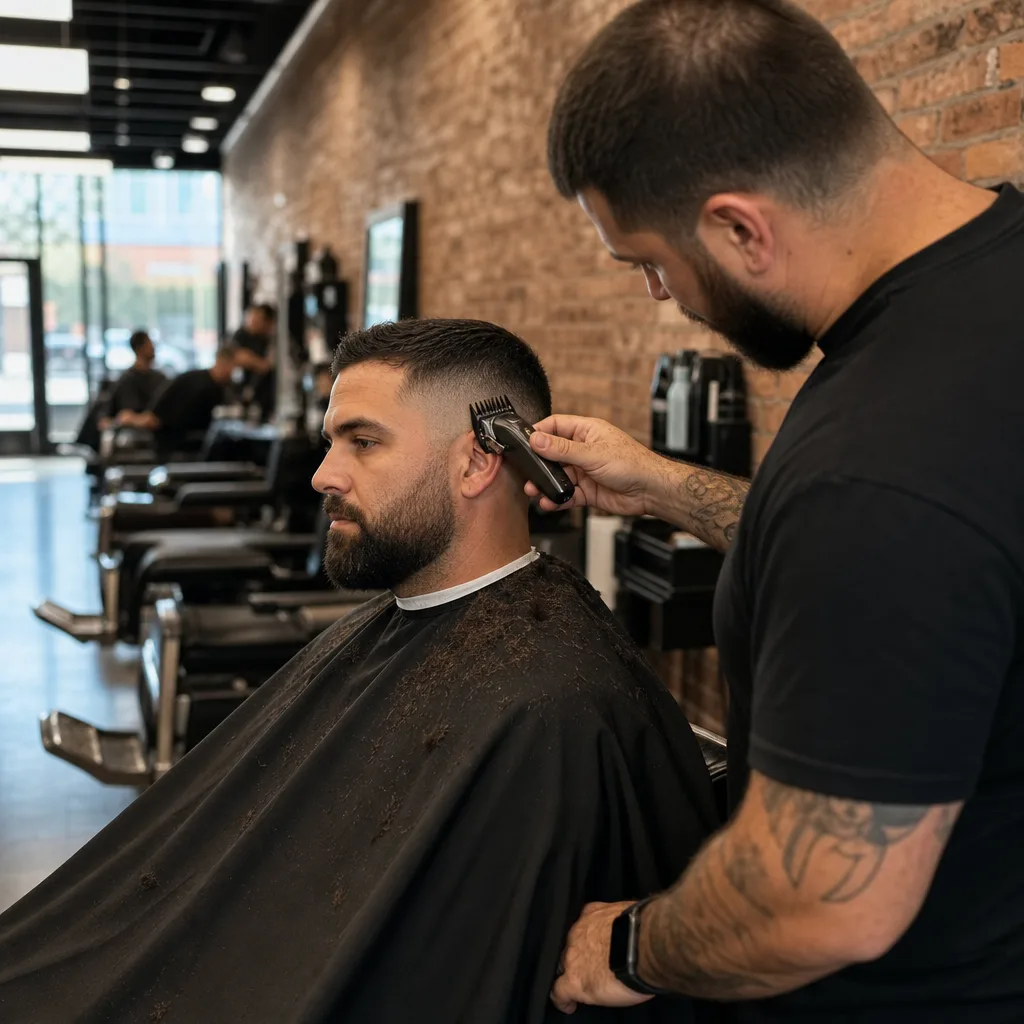
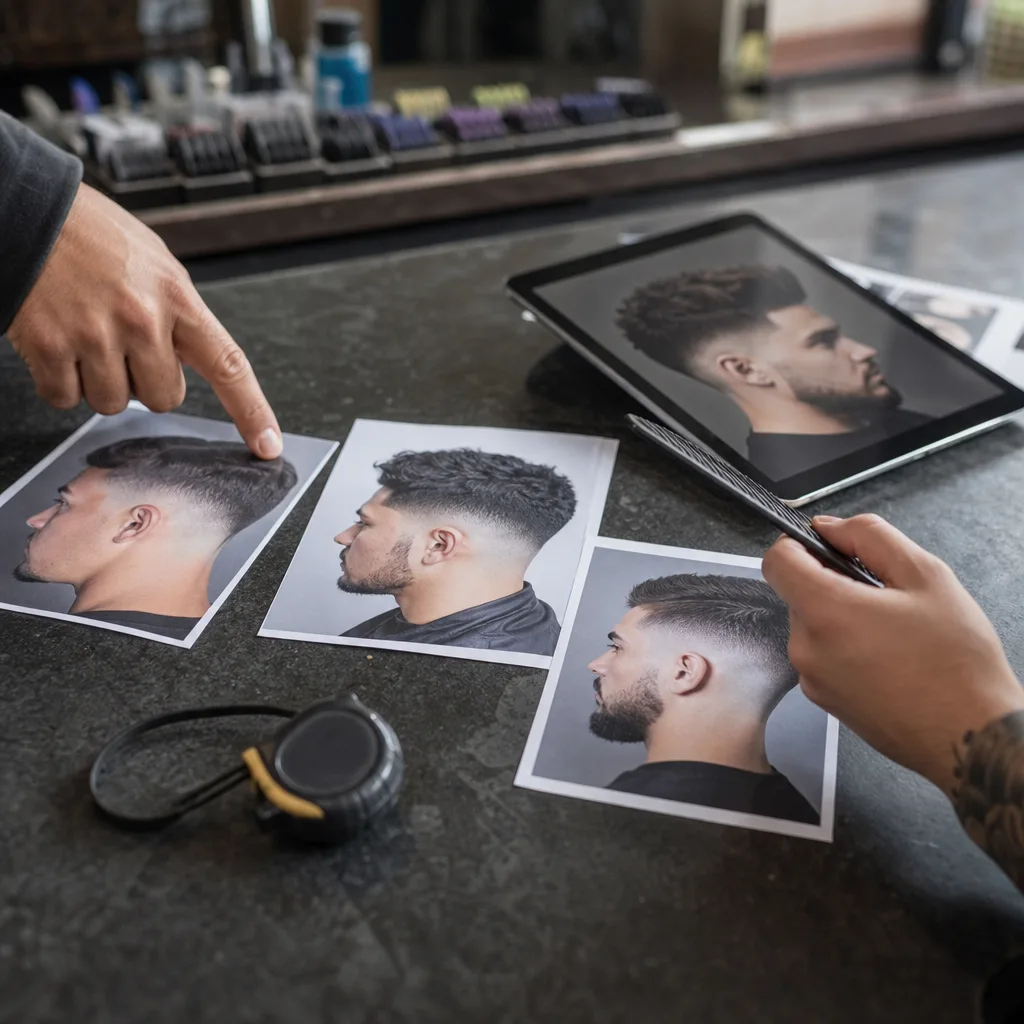
Pick three things before you book: how high the fade starts, how short it gets at the bottom, and how much length you want on top. Bring a photo if you can, and think about how often you’ll come back, since tighter fades grow out faster.
You don’t need to know barber terms to get a great fade. You just need a rough idea of what you want. Most fades come down to three choices, and once you’ve thought about them, describing your cut gets easy.
First, decide how high the fade goes. This is where the short hair starts blending up into the longer hair.
- Low fade: starts just above the ears and neckline. It’s clean but quiet, so it works well if you’ve got a job interview, an internship, or a strict dress code.
- Mid fade: starts around the middle of the sides. It’s the safe middle ground and suits most head shapes.
- High fade: starts up near the temples. It’s bold, shows more skin, and makes the hair on top stand out.
- Drop fade: curves down behind the ear toward the neck. It follows the shape of your head and looks good with curls or waves on top.
Second, decide how short it gets at the bottom. A skin fade, also called a bald fade, takes the sides all the way down to the skin, often finished with a razor for a sharp look. A regular fade leaves a little stubble at the bottom. A taper is softer still. It only cleans up the sideburns and neckline and keeps more length everywhere else. If you’re not sure, a taper is the easiest one to grow out.
Third, think about the top. Do you want it short and textured, long enough to style, or kept natural? Your hair type matters here. Straight hair shows every blend line, so a smooth fade takes care. Curly and coily hair holds shape on top and pairs well with a sharp edge up front. A line up, or shape up, cleans the hairline and edges, and it’s a common add-on with a fade.
Here’s one thing a lot of people forget: upkeep. A skin fade looks sharpest for about one to two weeks, then the sides start to fill in. A low taper can go longer before it looks grown out. If you’re a UD student juggling classes, money, and a busy schedule, pick a style that matches how often you’ll come back. A high skin fade you can’t keep up with ends up looking messier than a low taper you never think about.
Last tip: bring a photo. Screenshot a cut you like, ideally on someone with hair like yours. It saves guessing and makes sure we’re picturing the same thing. Since the shop is appointment-only and booked through Booksy, having your style picked out ahead of time means you can walk in, sit down, and get right to it.
Why One Barber on Every Fade Changes the Outcome
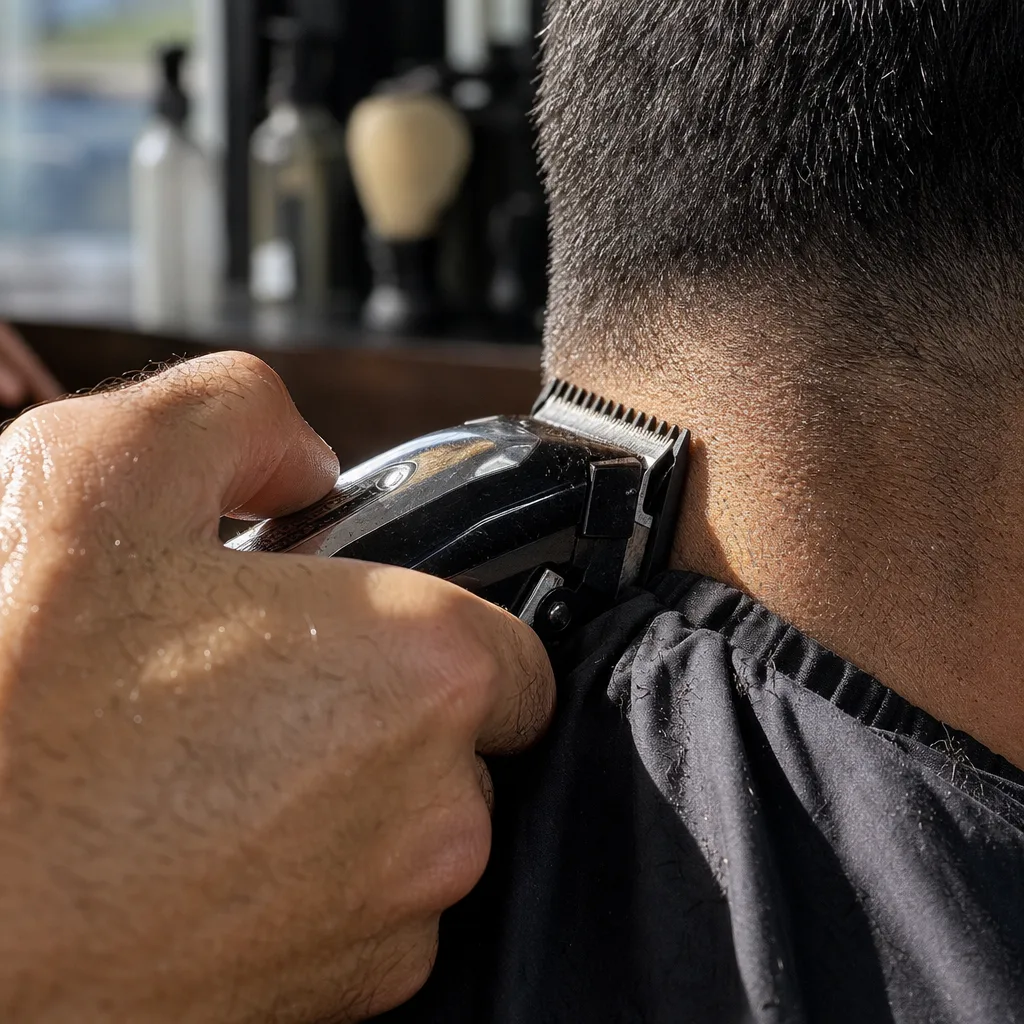
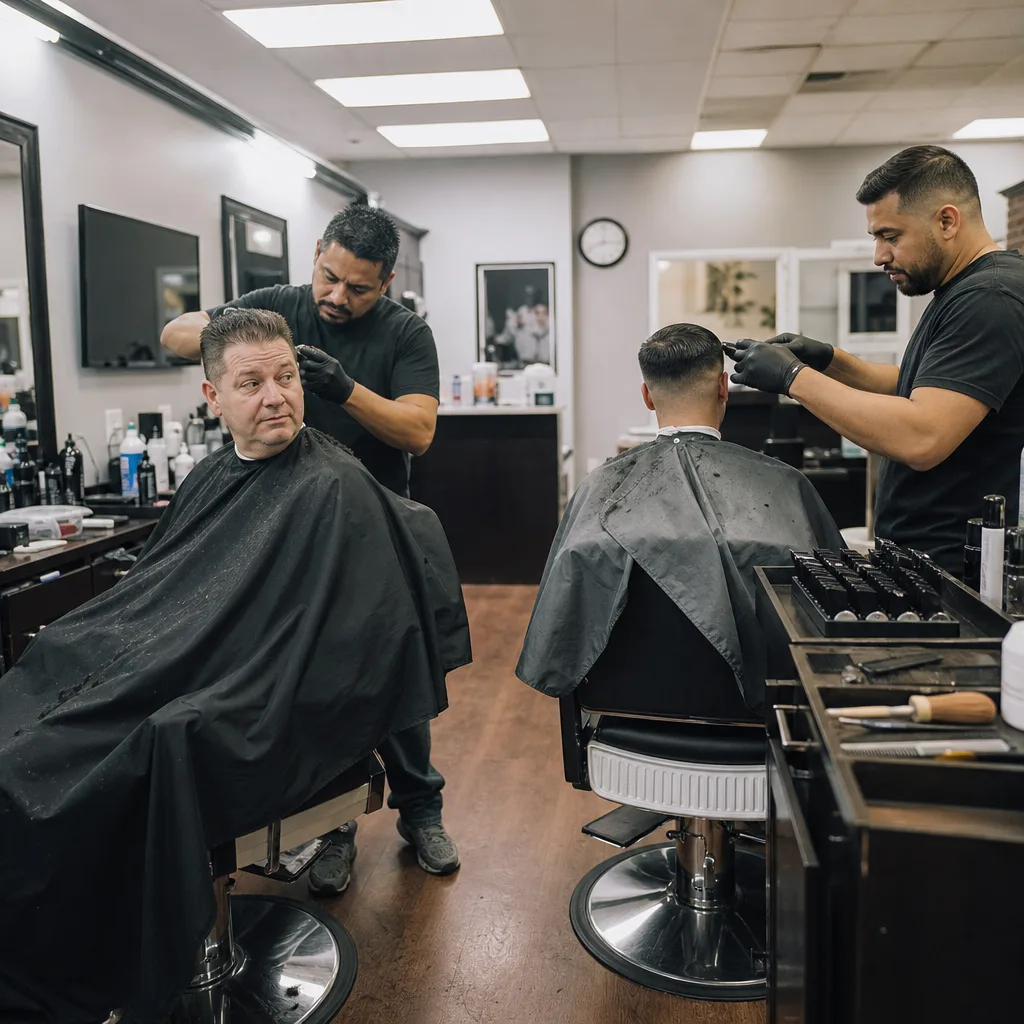
A fade lives or dies on the blend. The short sides have to melt into the longer hair with no hard lines or patchy spots. Getting that right on your head is a lot easier when the same person cuts it every time. That’s the whole point of this shop. The owner is the only barber here. He books every appointment and does every haircut, so the person you message is the person holding the clippers.
Here’s why that matters for a fade in particular. Every head is a little different. You might have a cowlick at the crown, a dip behind one ear, or a hairline that sits higher on one side. Some hair grows fast on the sides and slow on top. A barber who’s cut you before already knows where those spots are. A new barber has to figure them out while cutting, and that’s usually where a blend comes out uneven or the fade line ends up higher than you wanted.
Words also mean different things to different barbers. Ask three people for a mid fade and you might get three different starting points. Once you’ve picked your style, as covered above, one barber who’s seen your cut before can match it again instead of guessing.
- Your fade starts in the same spot each visit, so it doesn’t creep up or drop down over time.
- The blend gets fine-tuned to your head shape, not rebuilt from scratch.
- Your shape up follows your natural hairline, so it isn’t pushed back a little more each time.
- You don’t have to explain your cut all over again.
Think about how this plays out for a lot of UD students. You get a fade back home over break, then try a different shop in Newark when you return, then another one before a big weekend. Each barber cuts a little differently. By midterms, your sides are uneven and the line up has moved. Sticking with one barber stops that drift.
It’s also why the shop runs on appointments only. With one barber, there’s no line of chairs and no getting handed off to whoever’s free. You book your slot on Booksy, and that time is yours from the first clipper pass to the finishing touches like hot towel and razor work.
The owner started cutting hair in Elkton, Maryland. He found out he was good at it and wanted to take it further. After a shop there turned out not to be the right fit, he moved to his current spot by the University of Delaware and has been building the business ever since. Running it solo is a choice. It keeps every fade in the same hands.
When you come in, park behind the shop in the spaces marked Creator Studios and use the back door. We’re at 119 S Main St, Unit 102, right near campus.
If you’re tired of a fade that looks different every time, book your next cut on Booksy and keep it with one barber from here on.
What Happens During a Fade Cut Appointment
A good fade isn’t one quick pass with the clippers. It’s built in layers, from the shortest point up to the longest. If you know the steps, you’ll know what you’re looking at in the mirror and when to speak up.
It starts with a quick talk. You show your photo and say how high you want the fade, how short at the bottom, and what you want on top. This is the time to mention anything that bugged you about your last cut, like a line that sat too high or a patchy spot by the ear. A minute here saves you from fixing things later.
After that, the cut usually goes in this order:
- Set the guide line. The barber picks where the fade starts and cuts a starting line around the sides and back. Everything else is built off this line, so it has to be even on both sides.
- Take the bottom down. Below the line, the hair gets cut to its shortest length. On a skin fade, that means down to the skin. On a taper, it’s just the sideburns and the neckline.
- Blend upward. This is the slow part. The barber works up in small steps, changing clipper lengths and flicking the clippers out at the end of each pass. The goal is a smooth fade from short to long with no hard lines.
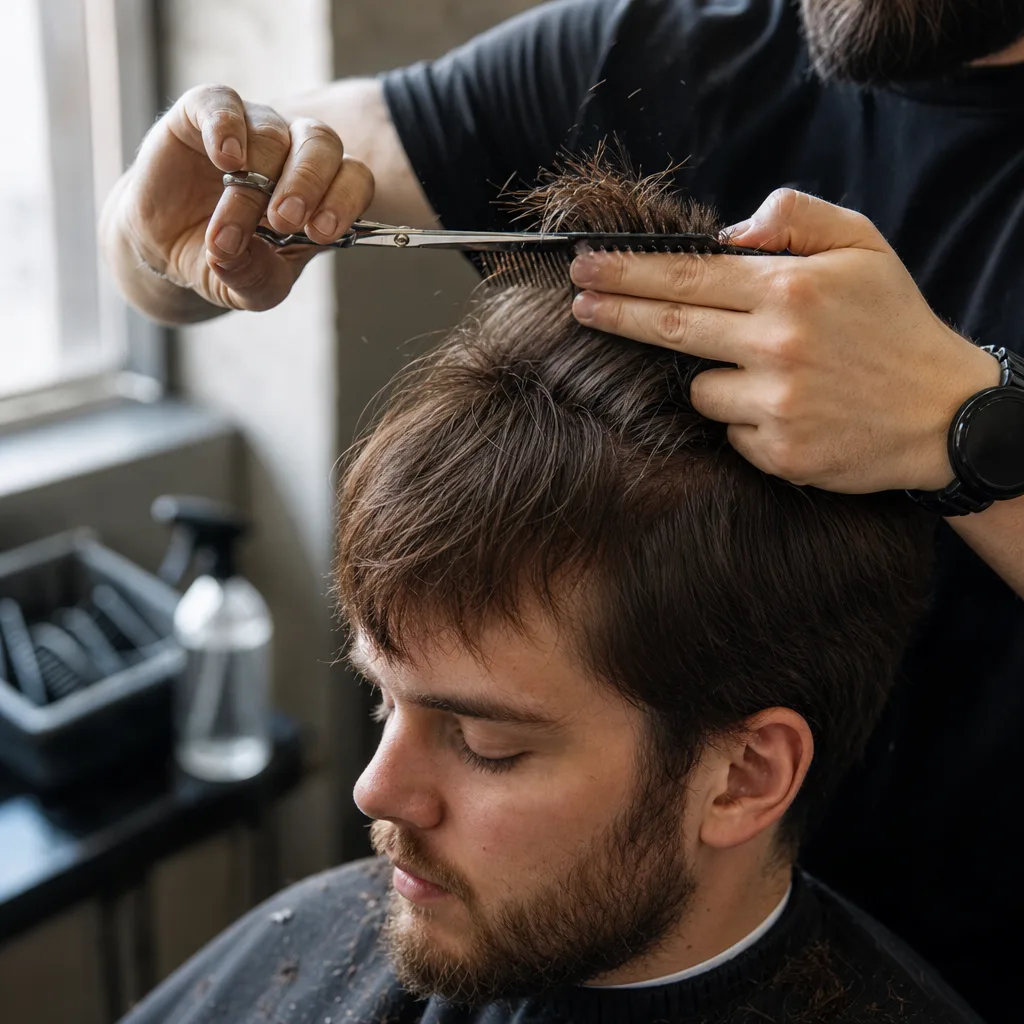
- Cut the top. The top gets cut with scissors or clippers, depending on the style and your hair type. It has to match the sides so the whole cut looks like one shape.
- Detail the edges. Trimmers clean up around the ears and the neckline. If you asked for a line up, the hairline and temples get squared off here.
The blend is where the time goes. Straight hair shows every small mistake, so it takes extra care. Thick or curly hair can hide a line from the front and still show it from the back. That’s why a fade takes longer than a basic buzz cut, and why rushing it shows.
Next comes the finishing work. A hot towel softens the skin and calms it down after the clippers. Razor work sharpens the edges. It makes a skin fade look smooth and makes a shape up look crisp right at the hairline. Some people skip these steps, but they’re often the difference between a cut that looks fine and one that looks finished.
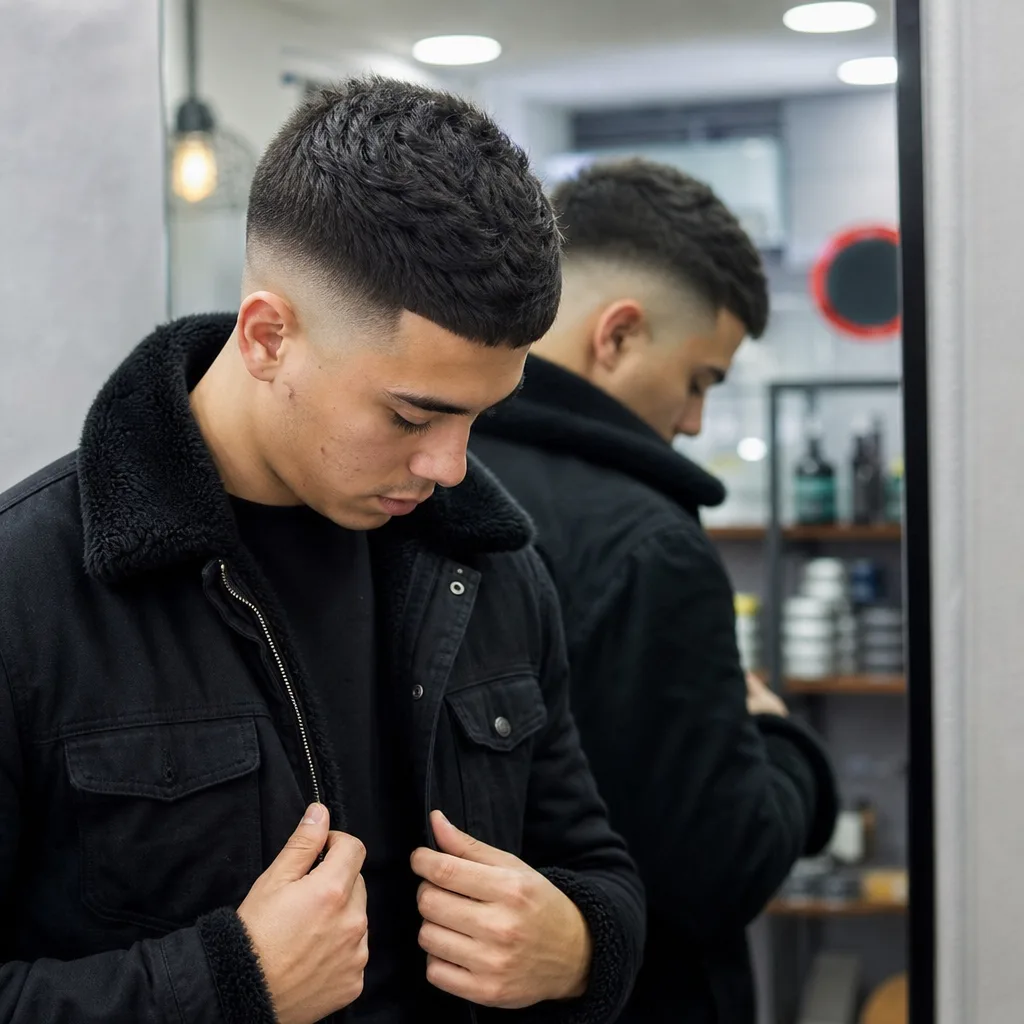
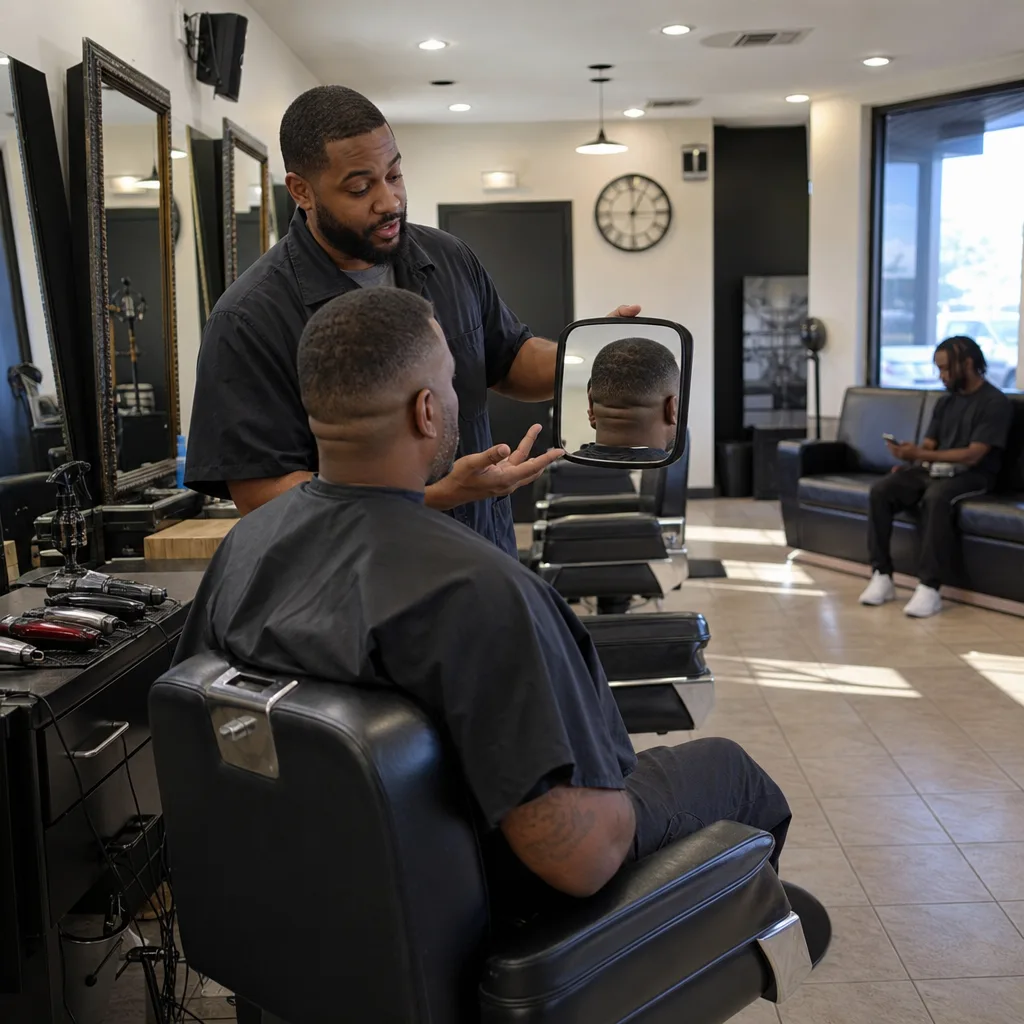
Before you get up, look closely. Use the hand mirror to check the back and both sides. Make sure the fade starts at the same height over each ear and the blend has no dark bands or patches. Check that the line up follows your real hairline and isn’t pushed back. If something’s off, say so while you’re still in the chair. A small fix takes a minute now. Coming back later costs you another trip.
One more tip for the walk back to campus or class. A fresh skin fade can leave the skin a little red or tender, especially if you aren’t used to a razor. It usually settles down fast. Keep your hands off it and skip a tight hat for the rest of the day so the edges stay clean.
When a Simple Trim Is Enough Instead of a Full Fade
A fade isn’t always the right call. Sometimes your hair just needs a little cleanup, and a full fade would be more cut than you want. Here’s when a simple trim makes more sense.
You’re growing your hair out. If you’re working toward longer hair, curls, twists, or a style you can tie back, a fade works against you. Every time the sides get taken down, you reset the clock. A light trim takes off split ends and keeps the shape even while the length keeps building. Ask for the sides to be left alone or just tidied, not faded.
Your cut still looks good. Maybe your last fade has grown into a soft, even shape you like. That happens a lot with a low taper. If the blend still looks smooth and only the edges look fuzzy, you don’t need the whole thing redone. A regular men’s haircut that keeps your current length is often all it takes.
Only the edges look messy. When the top and sides are fine but your hairline, temples, or neck look grown in, a line up or shape up handles that on its own. It’s a quick way to look sharp between full cuts without taking the sides back down.
You can’t keep up with the upkeep. A tight fade needs frequent touch-ups to stay clean, as covered above. If your schedule is packed with classes, work, or exams, or your budget’s tight this semester, be honest with yourself. A fade that’s three weeks overdue looks worse than a simple trim that grows out evenly. There’s nothing wrong with picking the lower-maintenance option.
Your skin doesn’t like close cuts. Some people get bumps or irritation when the sides go down to the skin, especially with razor work. If that’s been your experience, a fade that stops short of the skin, or a trim that keeps some length on the sides, can keep you comfortable. Mention it before the cut starts so the length can be adjusted.
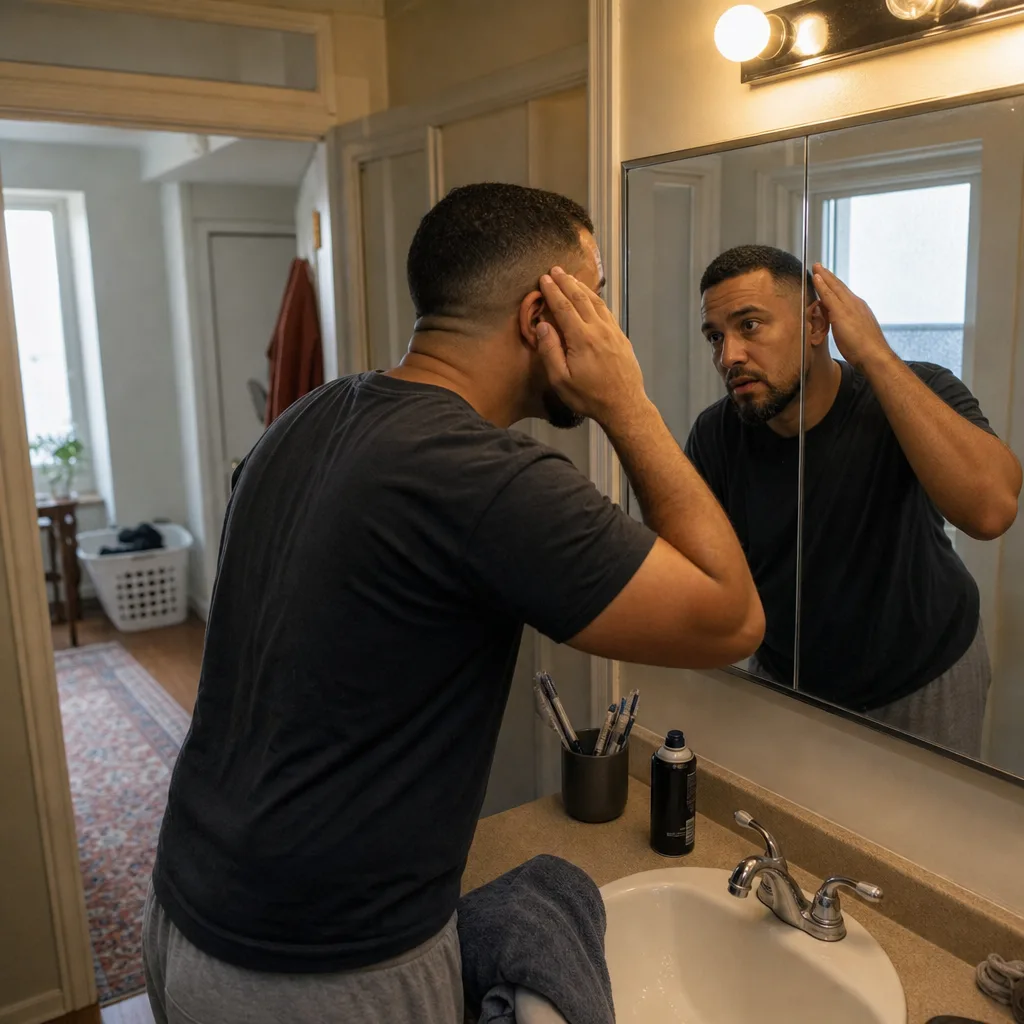
You just need your neck cleaned up. If the only thing bugging you is the hair creeping down the back of your neck, you can tidy that at home with a trimmer and a hand mirror. Keep it light and follow your natural line. Don’t try to blend the sides yourself. That’s where home cuts usually go wrong.
It’s mostly your beard. Sometimes the hair on your head is fine and it’s your beard that looks overgrown. A beard trim by itself may be all you need this time.
- Pick a fade if you want sharp, short sides and can come back often enough to keep it clean.
- Pick a trim or regular haircut if you’re growing out, happy with your shape, or need a cut that lasts longer between visits.
- Pick a line up or shape up if only your hairline and edges need work.
The point is to get the cut that fits your hair and your life right now. Next month that might be a fade. This week it might just be a trim.
What Drives Fade Cut Pricing Up or Down
Fade prices aren’t random. Across the barber trade, the cost comes down to a few things: how much time the cut takes, how much detail goes into it, and what you add on. Once you know those, you can look at any service list and understand why one option costs more than another.
Time is the biggest factor. A barber’s chair time is what you’re really paying for, so anything that makes the cut longer tends to cost more. These things usually push the price up:
- A skin fade instead of a taper. Taking the sides all the way down and blending from bare skin takes more passes and more care than cleaning up the neckline and sideburns.
- A higher fade. The higher it starts, the more area there is to blend, and the more room there is for a visible line.
- Thick, coarse, or very straight hair. Thick hair takes longer to cut down. Straight hair shows every flaw in the blend, so it gets slower, more careful work.
- Hair that’s way overgrown. If it’s been two months since your last cut, the barber is rebuilding the shape from scratch, not just touching it up.
- A detailed top. A textured or scissor-cut top takes longer than a quick clipper length all over.
Add-ons are the next piece. A fade by itself is one service. When you add a beard, a sharp line up, or extra finishing work, the price usually goes up because the time does too. That’s why shops often list combos separately. This shop’s options include a haircut plus beard and a full service, besides the fade on its own. If you only need one of those, don’t book the bigger package out of habit.
Where the cut happens matters too. In this trade, house calls generally cost more than an in-shop visit. The barber’s travel time and setup get built into the price. This shop does list house calls as a service, so check that option’s details if you’d rather not come in.
Some things can bring your cost down over time, even if the price per cut stays the same:
- Coming back on schedule. A fade that’s a little grown out is faster to clean up than one that’s lost its shape.
- Picking a style you can afford to keep up. A low taper stretches further between visits than a high skin fade.
- Using a line up between full cuts. If only your edges look rough, a shape up costs less time than a whole new fade.
Before you book anywhere, it’s fair to ask a few questions. Is the hot towel and razor finish included, or extra? Does a skin fade cost more than a regular fade or a taper? Is a beard or line up part of the price, or a separate service? Clear answers up front mean no surprises when you pay.
Last thing: don’t pick a barber by price alone. A cheap fade that needs fixing at another shop a week later costs you twice. You’re better off paying for a cut that’s done right and grows out clean, especially when you’re watching your money during the semester.
When you know what you want, book your fade on Booksy. Park behind the shop in the Creator Studios spaces and come in through the back door at 119 S Main St, Unit 102, right by UD.
Are fades still in style?
Yes, fades are still one of the most requested men’s cuts around. The style stays popular because it flexes to fit you, from a low fade for a job interview to a high skin fade for a bold look. Trends shift on the top styling and part details more than on the fade itself, so a well-blended fade stays a safe choice season after season.
What is the 3:2:1 haircut rule?
It’s a simple way to describe fade length by zone: roughly 3 on top, 2 in the middle, and 1 or skin at the bottom, with the numbers blending smoothly into each other. You don’t need to know clipper guard numbers to use this idea. Just tell your barber how short you want the bottom, how much length you want on top, and let the blend fill in between.
Is it normal to tip your barber for a fade?
Tipping is a personal call, but it’s common to tip your barber for good work, especially on a detailed cut like a skin fade with razor finishing. A fade takes more time and precision than a basic trim since it’s built in layers with careful blending. If the cut comes out clean and the blend has no hard lines, that extra time and care is usually what people are tipping for.